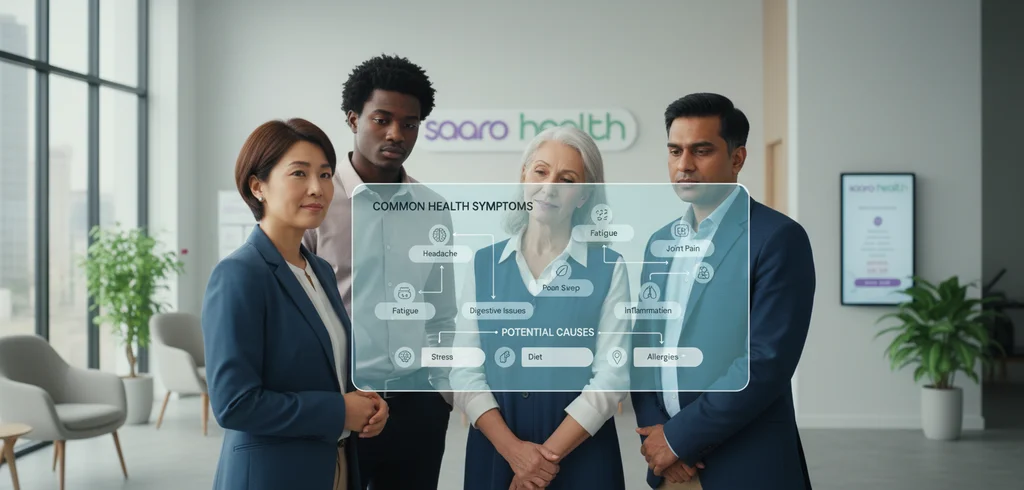

Understanding your body’s signals is the first step toward effective healthcare. When you experience new or concerning bodily sensations, recognizing these symptoms and treatment options is crucial for timely intervention and better health outcomes. This guide will help you navigate the complexities of symptom identification and the pathways to seeking appropriate medical care.
Decoding Your Health Signals: When to Seek Medical Consultation
Our bodies communicate with us through a variety of signals, often manifesting as physical or emotional changes. These can range from mild discomfort to severe pain, and discerning their significance is vital. Knowing when to see a doctor is a critical skill in proactive health management. While minor ailments might resolve on their own, persistent, severe, or unusual symptoms warrant professional attention. Ignoring persistent symptoms can lead to delayed diagnoses and potentially more complex health issues down the line.
The initial step in managing a health concern involves understanding the potential causes of symptoms. This often requires a thorough medical history, a physical examination, and sometimes diagnostic tests. For instance, a persistent cough might be a sign of a common cold, allergies, or a more serious respiratory condition. Without proper evaluation, self-diagnosis can be misleading and even harmful.
Symptom Diagnosis: The Foundation of Effective Treatment
Accurate symptom diagnosis is the bedrock upon which effective treatment plans are built. A qualified healthcare professional can differentiate between various conditions that may present with similar outward signs. This involves a detailed assessment, considering factors like the nature of the symptom, its duration, intensity, and any accompanying symptoms. The goal is to pinpoint the underlying cause rather than just treating the symptom itself. This meticulous approach ensures that the chosen treatment options are targeted and beneficial.
For Indian doctors and clinics, managing this diagnostic process efficiently is paramount. Platforms like Saaro Health are designed to streamline this by organizing patient records, including detailed symptom history and diagnostic notes. This allows doctors to maintain a clear overview of each patient’s health journey, facilitating more informed diagnostic decisions and personalized care. Furthermore, by reducing administrative burdens, doctors can dedicate more time to in-depth patient consultations and accurate diagnosis.
Navigating Treatment Options and Promoting Preventive Healthcare
Once a diagnosis is established, the next step involves exploring the various treatment options available. These can include medication, lifestyle changes, therapy, or surgical interventions, depending on the condition. It’s important to have an open discussion with your doctor about the benefits, risks, and expected outcomes of each recommended treatment. For individuals managing long-term health issues, effective chronic condition management is key to maintaining a good quality of life. Similarly, understanding how to manage acute illness treatment swiftly can prevent complications and promote faster recovery.
Beyond treating existing conditions, preventive healthcare plays an equally significant role in maintaining overall well-being. Regular health checkups, vaccinations, and adopting healthy lifestyle habits can significantly reduce the risk of developing many common health problems. These proactive measures empower individuals to take control of their health and can lead to earlier detection of potential issues. A comprehensive health checkup can uncover silent conditions before they become symptomatic.
For Indian healthcare providers, integrating preventive care strategies with efficient patient management is a game-changer. Saaro Health’s ecosystem supports this by enabling automated follow-ups and reminders for checkups, ensuring patients stay engaged with their preventive health journey. This focus on both acute and preventive care, supported by robust clinic management tools, fosters a healthier patient population and a more sustainable practice for doctors.
Ultimately, understanding your health symptoms guide your actions towards seeking appropriate medical care. Whether it’s identifying the disease symptoms and causes or seeking a second opinion doctor for complex cases, an informed approach to healthcare is your best asset. By partnering with modern healthcare solutions, doctors can enhance their ability to provide precise diagnoses and effective treatments, fostering better patient care and practice growth.
It’s essential to remember that while online information can be a useful starting point, it cannot replace professional medical advice. For any health concerns, consult a healthcare provider. You can find a reliable clinic near me or a specialist for your specific symptoms through online searches or by asking for recommendations. Prioritizing timely and accurate diagnosis and treatment is the most effective way to manage your health.