Why Your Description Is the Most Critical Diagnostic Tool
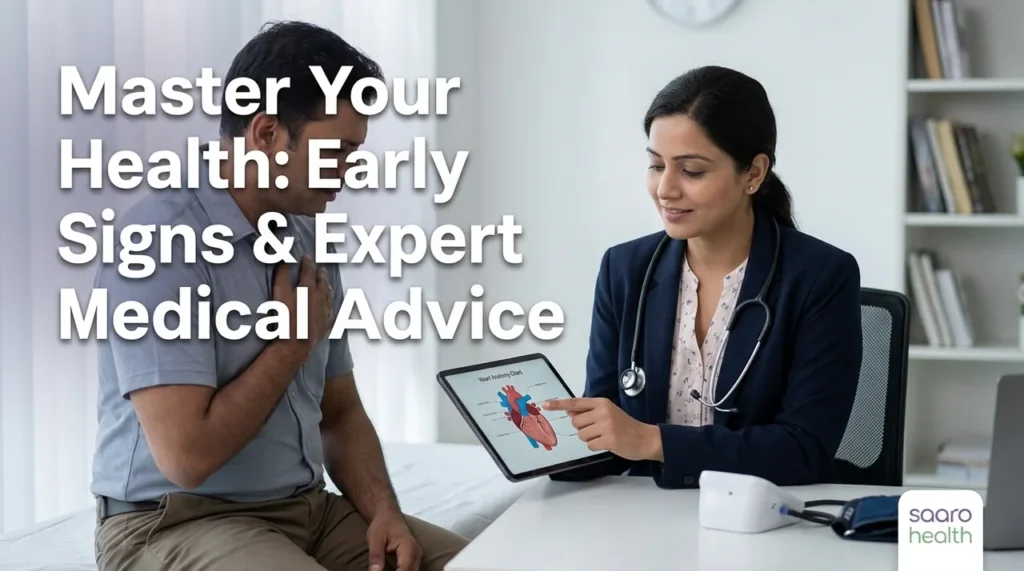
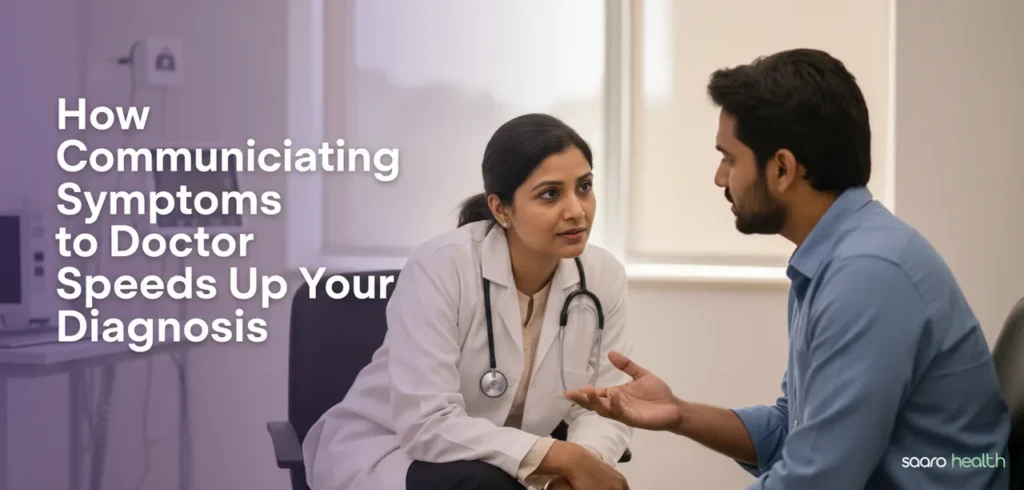
The journey to feeling better begins with a single conversation. Before any tests are ordered or prescriptions written, the most powerful diagnostic tool is your own story. Effectively communicating symptoms to doctor is the critical first step toward an accurate diagnosis and a faster treatment plan. While modern medicine has incredible technology, the patient’s narrative provides the context that no machine can. It’s the difference between looking at a single puzzle piece and seeing the entire picture on the box.
Think of your symptoms as clues in a medical mystery. Your doctor is the detective, but you are the primary witness. How you describe the “what, when, and where” of your health concerns directly influences the direction of the investigation. A vague description might lead down several wrong paths, potentially delaying relief. However, a clear, detailed account helps your doctor narrow down the possibilities efficiently. In our experience working with hundreds of clinics across India, we’ve seen firsthand that patients who can clearly articulate their health journey often receive a faster, more accurate diagnosis, leading to better overall outcomes.

A Step-by-Step Guide to Communicating Symptoms to Doctor
Feeling anxious or forgetting key details during a medical appointment is completely normal. The key to overcoming this is preparation. Walking into the clinic with organized thoughts transforms the consultation from a stressful Q&A into a productive collaboration. By structuring your information beforehand, you empower your physician to connect the dots more effectively. This systematic approach not only saves time but also significantly reduces the likelihood of miscommunication.
Before Your Appointment: The PREP Method
To ensure you cover all essential information, use a simple framework we call the PREP method. This involves jotting down notes before your visit, which can be invaluable once you’re in the consultation room. Take a few minutes to think through these points:
- Pinpoint the main symptom: What is the single biggest reason for your visit today? Start with your most pressing concern.
- Record a timeline: When did it start? Is it constant or does it come and go? Has it changed over time? Dates and durations are extremely helpful.
- Evaluate triggers and relievers: What makes the symptom worse? What, if anything, makes it better? (e.g., certain foods, activities, time of day).
- Prepare your questions: Write down any questions you have for the doctor so you don’t forget them.
During the Consultation: Using Precise Language
Once you are with the doctor, the goal is to be as precise as possible. Instead of saying you “feel bad,” try to use more descriptive words. For example, is the feeling a “dull ache,” a “sharp pain,” a “burning sensation,” or a “feeling of pressure”? This specificity provides crucial diagnostic clues. It’s also vital to mention any other associated symptoms, even if they seem unrelated. A headache combined with dizziness, for instance, tells a very different story than a headache alone. Remember to also share your complete medical history, including past illnesses, surgeries, and any medications or supplements you are currently taking.
The PQRST Framework for Describing Pain
For pain-related symptoms, clinicians often use the PQRST mnemonic to gather detailed information. You can use it too to structure your description:
- P (Provocation/Palliation): What causes the pain? What makes it better or worse?
- Q (Quality): What does it feel like? (e.g., sharp, dull, stabbing, burning, throbbing).
- R (Region/Radiation): Where is the pain located? Does it travel anywhere else?
- S (Severity): On a scale of 0 to 10, how bad is the pain?
- T (Timing): When did it start? How long does it last? How often does it occur?
What Happens After the Conversation? The Path to Treatment
After you have shared your story, your doctor combines this subjective information with an objective physical examination and, if necessary, diagnostic tests. Your detailed account is what guides their clinical reasoning. According to India’s National Health Authority, improving the quality of patient-provider interactions is a key goal for strengthening the healthcare system. Your clear communication is a direct contribution to this goal.
This initial conversation helps form a “differential diagnosis”—a list of possible conditions that could be causing your symptoms. Based on this list, your doctor will decide which tests (like blood work or imaging) are most relevant, avoiding unnecessary procedures. Of course, this communication is just one piece of the puzzle; your doctor will combine it with a physical exam and other tests for a complete picture. This targeted approach, initiated by your clear input, is the most efficient path to a definitive diagnosis and the right treatment plan.

Building a Stronger Doctor-Patient Partnership
Ultimately, healthcare is a partnership. Your active participation is not just helpful; it’s essential. By mastering the art of communicating symptoms to doctor, you become a co-pilot in your healthcare journey. This proactive stance fosters a relationship built on trust and mutual respect, which is proven to lead to better health outcomes. A doctor who understands your experience is better equipped to provide personalized and effective care.
Modern clinics that use integrated management systems, like those offered by Saaro Health, are designed to support this partnership. When your doctor can easily access your detailed history and notes from each visit, the continuity of care improves dramatically. This ensures that the important details you share are never lost. When looking for a provider, seek out a clinic that values clear communication and uses modern tools to ensure your health story is always at the center of your care.
As a team dedicated to improving clinic efficiency and patient outcomes, we believe that empowered patients are crucial to modern healthcare. By preparing for your appointments and learning how to articulate your health concerns, you are not only helping yourself but also enabling your doctor to provide the highest standard of care. This collaborative effort in communicating symptoms to doctor is the surest way to navigate the path from symptom to solution.